There is more to Cannes than the Film
Festival
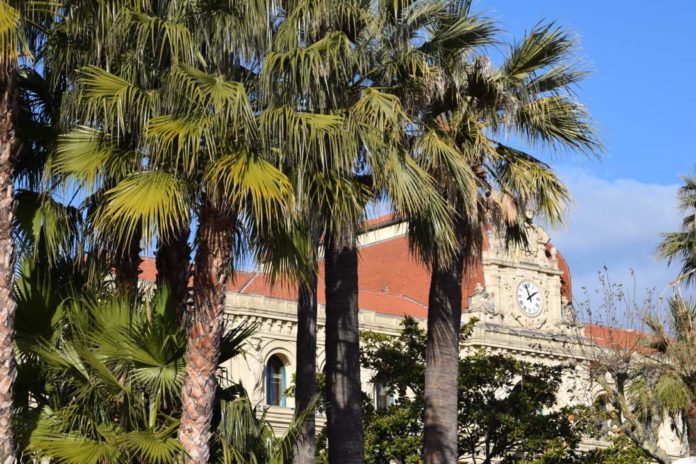
Cannes
- City Hall and palm trees
The 70th Cannes
Film Festival is set to shine a
spotlight on this trendy city on the Côte d’Azur. For almost two
weeks (May 17 to 28) film makers, producers, celebrities and a whole load
of wannabes will descend in droves to be part of this world famous event. Oh,
the glamour and the glitz.
However
unless you are part of the glitterati you should know that you are unlikely to
have any access to this invite-only event or even get hotel room in the city.
And in any case, celebrities have become so adept at getting in
and out of cars without having to mingle with the public that the chances of
meeting or even spotting someone you recognise may be remote.
Having
said that, festival big wigs, mindful of how the public has been excluded,
have since 2011 organised film screenings at the Cinéma de la Plage, which take place
each night under the stars.
How did
Cannes become so trendy?
In
bygone days, it was a mere fishing village. It became home to a community of
wealthy monks whose very presence attracted plundering pirates who came and
went as they pleased.

So a military fortress was built. It included a church and
castle, which today is a primitive art museum. The fortifications have gone now
to make way for living space but you can still see a relic at the front of the
church.
Over
the years there were wars and even a plague which in 1579 decimated the
community. Finally the 18th century brought peace and stability and by 19th
century there was a peaceful invasion by the British who brought wealth and
aristocratic style.
Lord
Brougham was pivotal to this. A former British Chancellor he simply fell
in love with Cannes when he visited in 1834. So he stayed and built himself a
villa at the Croix des Gardes. It wasn’t long before posh Brits and Europeans
followed primarily to escape to the sun. Since then the city has remained
the trendiest hot spot on the Côte d’Azur.
If
you look up from the port you will see their stylish white properties that look
bright against the dark green mountains.
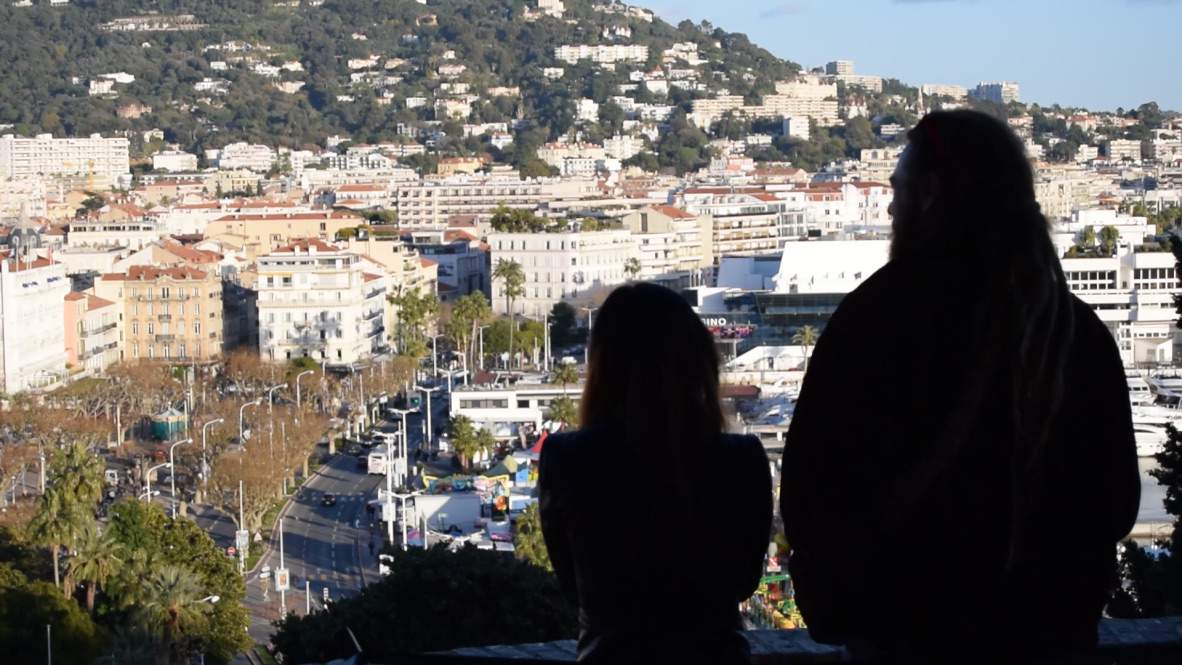
The most historic area is Le Suqet and within it is the oldest
street in the city – the climbing, winding cobbled lane Rue Saint-Antoine. You
can follow it to the top passing cute restaurants and bars on the way
to the old town, with the Notre-Dame d’Espérance church, and the huge
Cannes sign that marks the zenith. The views over city, the sea and the
red Estérel mountains beyond is simply idyllic.
The
most popular place to take a leisurely walk is along La Croisette. This lovely
promenade curves with the coast where sandy beaches are overlooked by upmarket
retail outlets and eye-widening palatial hotels
Shopping
Cannes
is big on luxury shopping and the (almost predictable) big-name brands are on
La Croisette – you know the ones: Chanel, Dior, Yves St Laurent and so on. As
you walk to Rue d’Antibes the slightly more affordable shops such as Zara and
Façonnable pop up.
Rue
Meynadier is choc full of boutiques and though it may look touristy, some of
them been there for half a century. Follow your nose to number 22, to Fromagerie Ceneri which has been there since 1968. The
aroma that escapes from this delightful cheese shop is so strong because not
only do they sell their produce, they mature their own cheeses too.
For
groceries of a rustic and certainly Provencal nature, head for the Forville
market on Place du Marché. It’s perfect for those who are self-catering or
simply for a picnic on a beach.
In
any case rubbing shoulders with the locals and browsing is a charming way to
spend an afternoon. While there, buy and eat Socca – a typically Provencal dish
– in situ. It is made with chick pea flour on round (50 cm) tins and cooked in
a very hot wood-fired oven for about six minutes, until the top is golden. Or
try Pain Bagnat which is a round fish roll. Or Pissaladière which is a
pizza base with sautéed onions and anchovies.
Potted
history of the Film Festival
The
Film Festival was propelled into being by Jean Zay, the French Minister of
National Education. It was supposed to debut in 1939. Everything was ready
but the outbreak of World War II and the city was occupied by the
Germans. The war lasted six long years and the story goes that the liberation
by the Americans in 1944 famously involved the American actor Mr. Douglas
Fairbanks Jr, who captained a US naval ship.
By
1952 the Palais des Festivals et des Congrès now located at the top of
Boulevard de la Croisette where once stood a casino, became the permanent
home for the festival. In 1955 the Palme d’Or (Golden Palm) award for best film
was introduced.
This
modern six storey building with its famous red carpet and Allée des Stars
– the Cannes’ walk of fame – are perfect for striking a pose and your own
personal photo shoot.
The Palme d’Or symbol alludes to the palm tree in Cannes’
coat of arms which, in turn, comes from the coat of arms of Lerins Abbey, from
the time when Cannes belonged to the Lerins monks. The story goes
that Saint Honorat came to snake infested Lerins Islands he climbed up the
palm tree while the sea covered the island and drowned all the snakes.
To
learn more about Cannes and the Film Festival, we recommend the Cannes & Cinema and Once upon a time: Cannes guided tours.
Cannes
famous film-related Murals
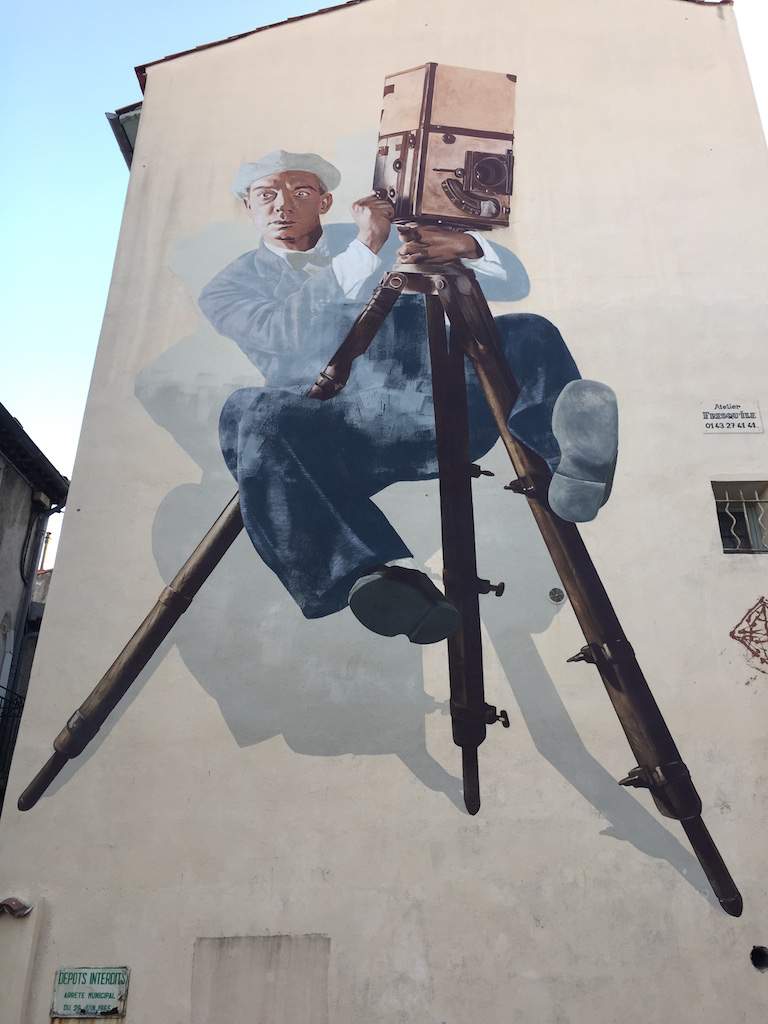
You can get a sense of festival at any time of the year because
Cannes is a fabulous open-air shrine to its film festival. One of the pleasures
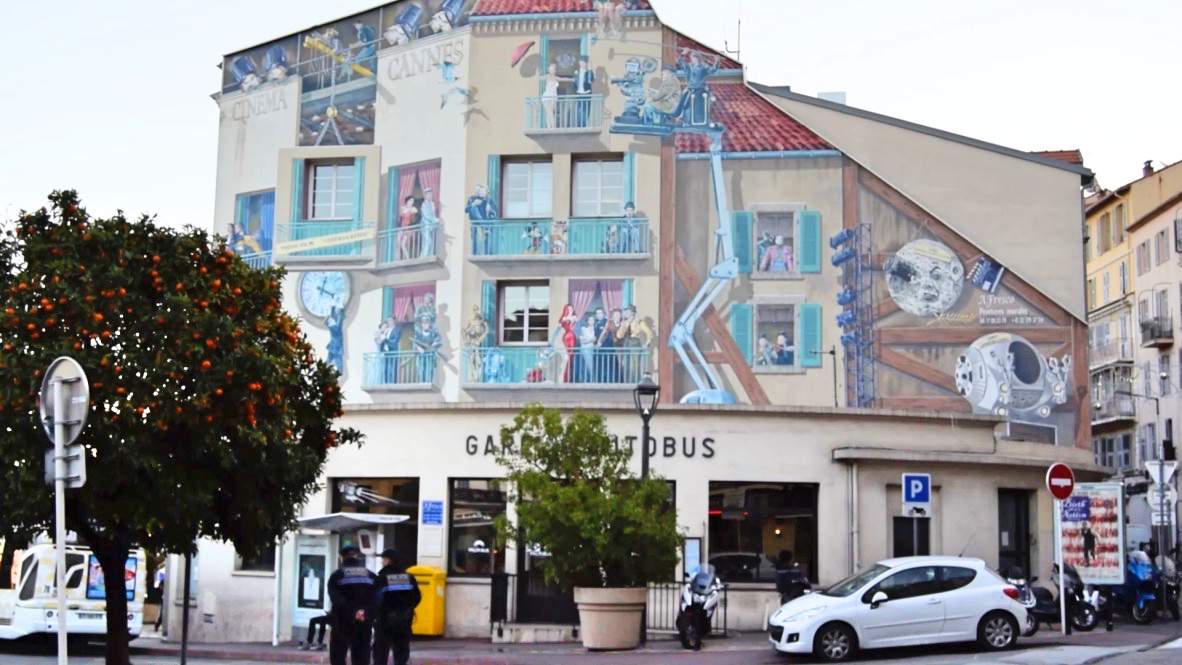
of ambling around town is coming across the amazing film-related murals.
There
are 15 of them dotted around the neighbourhoods. They all loom large on huge
buildings and the biggest is on 2 quai Saint-Pierre which is a collage of a
hundred years of cinema. It’s fun to pick out the characters such as R2-D2,
Mickey Mouse, a dancing Fred Astaire and even Batman. No doubt you will
spot several others.
xcursion
Catch
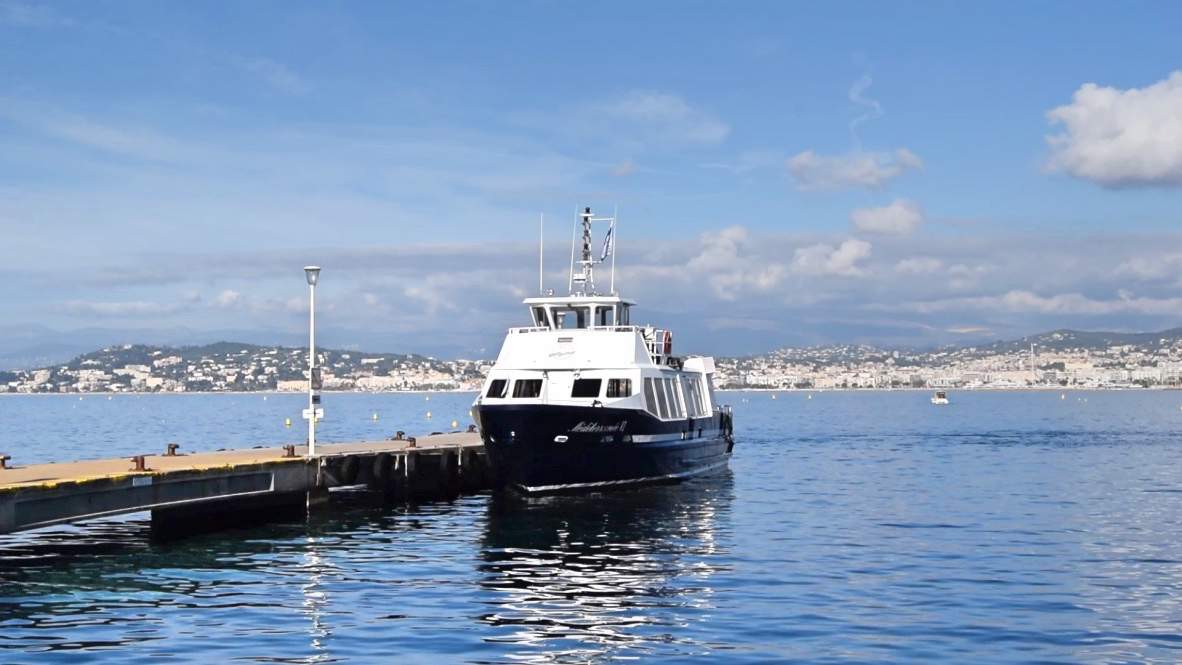
a ferry to the fortress on Sainte Marguerite Island and check out the royal
prisons. The Man in the Iron Mask (identity unknown) was incarcerated on the
island for 11 years in the late 17th century alongside Protestants who were
incarcerated during the 17 and 18th centuries for so called religious crimes.
Here they suffered for their faith to the point of madness and even death. King
Louis XIV thought this method would encourage wayward pastors to recant and
indeed be an example for the rest of the Protestant population.
Where to
Stay
There
are two lovely hotels located on the palm-lined La Croisette Boulevard: The
Intercontinental Carlton which looks dazzling with its Belle Epoque facade and
the iconic Art Deco styled Hotel Martinez with its three restaurants and
private beach. They offer views over the Med are both close to the shopping
areas and restaurants.
There
are less grand hotels, that nevertheless offer clean, pleasant
accommodation and great service. Two newcomers to town are the
fantastic value all-inclusive concept hotel Okko Cannes –
designed to feel like an airport lounge and the great value compact,
and the particularly quirky Ibis Styles which looks
fantastic with its celebrity themed decor throughout. While you sleep you may
well have Marilyn Monroe looking down on you.
However,
at peak times and especially during the Festival it’s unlikely you will find rooms
in Cannes as these are booked way in advance.
We
found two fantastic alternatives not far from Cannes: the rustic chic Lune de Mougins and the
impossibly romantic offering Tiara
Yaktsa in Théoule-sur-Mer reached
via the twisty N8 road on the French Riviera.

No comments:
Post a Comment